Starting a clothing brand can be an exciting and rewarding venture. With the global fashion industry valued at over $1.5 trillion, there’s ample opportunity for new and innovative brands to carve out their niche. This comprehensive guide will walk you through the process of starting a clothing brand in 10 easy steps, ensuring you have the knowledge and tools needed for success. Whether you’re inspired by the latest trends or have a unique design vision, this guide will help you bring your dream to life. Let’s dive in!
How to Start a Clothing Brand in 10 Easy Steps
Table of Contents
Introduction to Starting Your Clothing Brand
-
Develop Your Designing Skills
-
Importance of Design
-
Formal Education vs. Self-Taught
-
Resources for Learning Fashion Design
-
-
Create A Business Plan
-
Components of a Business Plan
-
Target Market and Brand Identity
-
Financial Planning and Budgeting
-
-
Follow Fashion Trends
-
Staying Updated with Fashion Trends
-
Incorporating Trends into Your Designs
-
Resources for Trend Forecasting
-
-
Building A Strong Brand
-
Defining Your Brand Identity
-
Creating Brand Guidelines
-
Importance of Consistency in Branding
-
-
Design and Develop Your Clothing Line
-
Sketching and Developing Designs
-
Making Your Own Samples
-
Balancing Creativity and Production
-
-
Source Fabrics and Material
-
Finding Fabric Suppliers
-
Designing Your Own Fabrics
-
Building a Network for Sourcing Materials
-
-
Setup Production and Manufacturing
-
Options for Manufacturing
-
Choosing the Right Manufacturing Partner
-
Quality Control and Oversight
-
-
Pricing and Inventory Strategies
-
Pricing Your Clothing Items
-
Managing Inventory Effectively
-
Planning Around Fashion Seasons
-
-
Build an Online Store
-
Setting Up an Ecommerce Platform
-
Essential Pages for Your Online Store
-
Importance of High-Quality Photography
-
-
Market Your Brand
-
Organic Marketing Strategies
-
Paid Advertising Options
-
Building a Loyal Customer Base
-
Call to Action: Hollywood Prints Print-on-Demand Services
-
Conclusion
FAQs
Step 1: Improve and Develop Your Fashion Design Skills
Importance of Design Skills
Design is at the heart of any successful clothing brand. Your ability to create unique, appealing designs will set you apart from the competition. The most simple parts of designing for clothing brands are often overlooked and major reasons for a clothing brand’s demise. Even if you have a fantastic business sense, without strong design skills, your brand may struggle to attract and retain customers.
Formal Education vs. Self-Taught
There are various paths to developing your fashion design skills. Although you can start your own clothing line without attending school, formal education—whether in a classroom or online—has advantages. You can gain access to resources and equipment, network with professionals, and learn about the most recent industry standards.
Formal education, such as a degree in fashion design, offers structured learning and access to industry resources. Institutions like Parsons School of Design or Central Saint Martins are renowned for their programs. Alternatively, many successful designers are self-taught, leveraging online resources, tutorials, and the upmost determination.
Resources for Learning Fashion Design
Regardless of the path you choose, numerous resources are available to help you develop your skills. Even for those aspiring to work in the fashion industry but do not have enough time to go to school full-time, there’s an option available for you as well. Online courses on platforms like Udemy, Skillshare, and MasterClass (featuring designers like Marc Jacobs, etc.) provide flexible learning options. Additionally, attending workshops, reading fashion design books, and practicing regularly will enhance your skills.
Step 2: Create a Business Plan

Components of a Business Plan
A solid business plan is essential for any startup. It serves as a roadmap, outlining your business goals, strategies, and how you plan to achieve them. Key components include an executive summary, market analysis, company description, organization and management structure, marketing and sales strategies, product line description, and financial projections.
Target Market and Brand Identity
Understanding your target market is crucial. Identify who your ideal customers are, their preferences, and how your brand can meet their needs. This information will inform your brand identity, helping you create a brand that resonates with your audience.
Financial Planning and Budgeting
Starting a clothing brand requires significant financial investment. Your business plan should include detailed budgeting, outlining startup costs such as equipment, materials, marketing, and operational expenses. Consider potential funding sources, such as personal savings, loans, or investors.
Step 3: Follow Fashion Trends
Staying Updated with Fashion Trends
Keeping up with fashion trends is vital to remain relevant in the industry. Trends can influence your designs, marketing strategies, and overall brand direction. Follow fashion magazines, blogs, and influencers to stay informed about the latest styles and consumer preferences.
Incorporating Trends into Your Designs
While following trends, it’s important to maintain your unique brand identity. Incorporate trends in a way that aligns with your brand’s vision and appeals to your target audience. Balance trendy elements with timeless designs to ensure longevity.
Resources for Trend Forecasting
Trend forecasting agencies like WGSN and Fashion Snoops offer insights into upcoming trends, helping you stay ahead of the curve. Additionally, attending fashion shows, industry events, and trade shows can provide valuable inspiration and networking opportunities.
Step 4: Build a Strong Brand
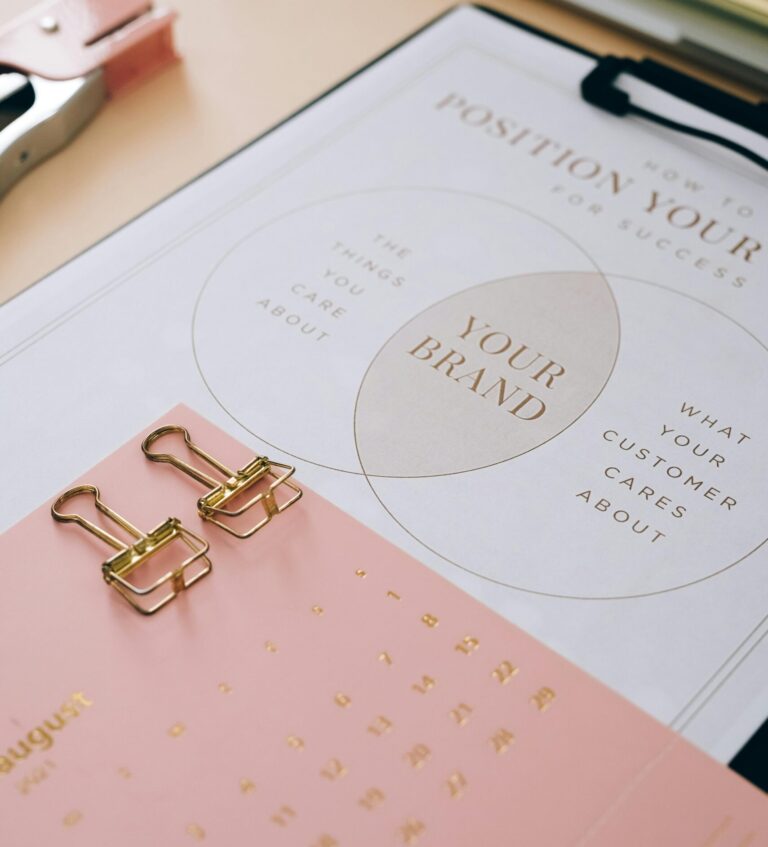
Defining Your Brand Identity
Your brand identity is more than just a logo; it’s the essence of your business. Define your brand’s mission, values, and unique selling points. Consider what sets your brand apart from others and how you want customers to perceive it.
Creating Brand Guidelines
Brand guidelines ensure consistency across all aspects of your business, from design and marketing to customer service. Develop guidelines that cover logo usage, color schemes, typography, imagery, and tone of voice. Consistent branding helps build recognition and trust with your audience.
Importance of Consistency in Branding
Consistency is key to building a strong brand. Ensure that every touchpoint, whether it’s your website, social media, or packaging, reflects your brand identity. Consistent branding helps create a cohesive and professional image, making your brand more memorable.
Step 5: Design and Develop Your Clothing Line
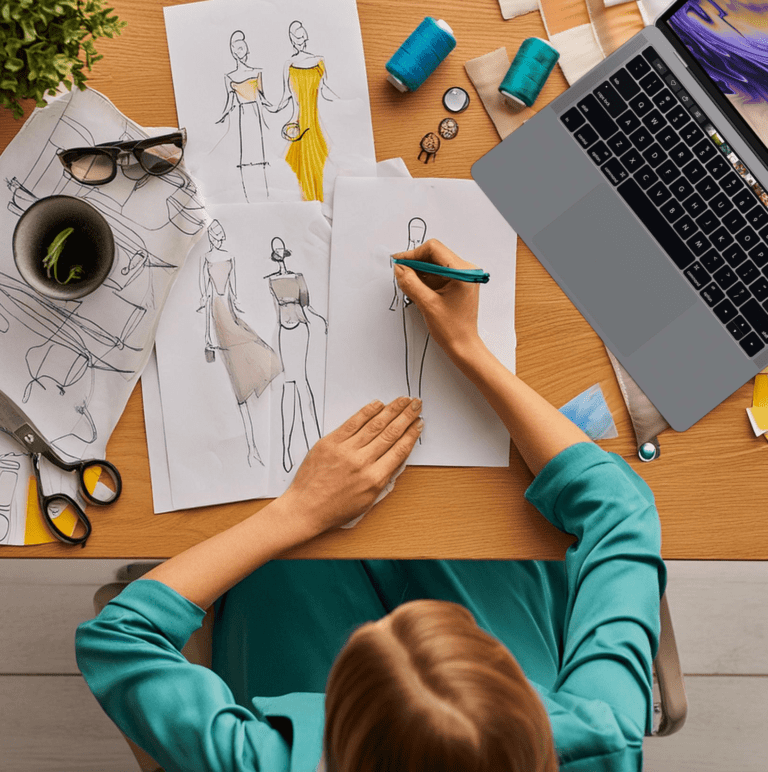
Sketching and Developing Designs
Designing a clothing line starts with sketching your ideas. Use a sketchbook to jot down concepts and refine them into detailed designs. Tools like Adobe Illustrator can help you create digital versions of your sketches, making it easier to share with manufacturers and collaborators.
Making Your Own Samples
Creating samples allows you to test your designs and make necessary adjustments before full production. If you have the skills, sew the samples yourself to understand the construction process. Alternatively, hire a professional sample maker to ensure high-quality prototypes.
Balancing Creativity and Production
While creativity is essential, practical considerations like cost, materials, and production time must be factored into your designs. Strive for a balance between innovative designs and feasible production processes. This approach ensures that your clothing is not only stylish but also marketable and profitable.
Step 6: Source Fabrics and Materials
Finding Fabric Suppliers
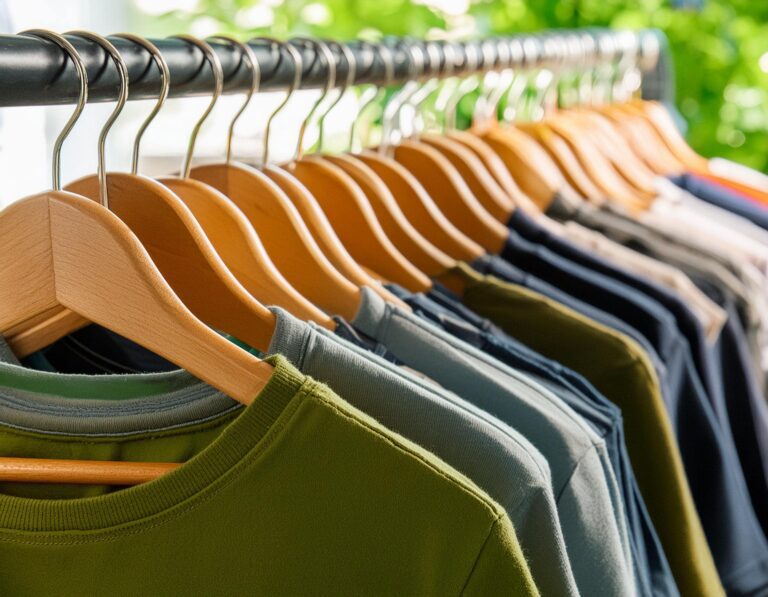
Sourcing high-quality fabrics is crucial for the success of your clothing brand. Research and connect with reputable fabric suppliers. Attend textile trade shows, visit local fabric markets, and use online platforms like Alibaba and Maker’s Row to find suppliers.
Designing Your Own Fabrics
Creating custom fabrics can give your brand a unique edge. Work with textile designers or learn to design your own prints and patterns. Custom fabrics can set your brand apart and provide exclusive designs that can’t be found elsewhere.
Building a Network for Sourcing Materials
Building a strong network in the fashion industry can open doors to better sourcing opportunities. Join industry groups, attend networking events, and connect with other designers and suppliers. A robust network can provide valuable insights, recommendations, and potential collaborations.
Step 7: Set Up Production and Manufacturing
Options for Manufacturing
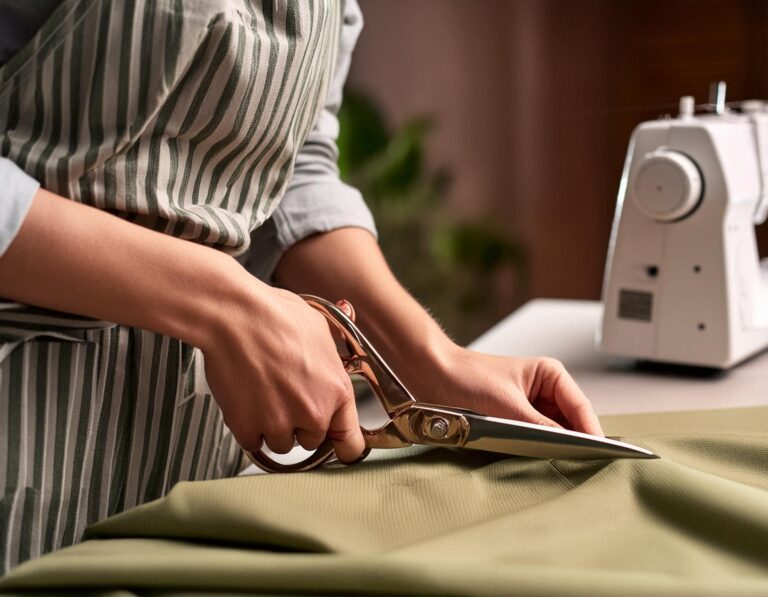
There are several manufacturing options to consider, depending on your scale and budget. You can produce items in-house, hire local seamstresses, or partner with a factory. Each option has its pros and cons, so choose the one that best fits your business model.
Choosing the Right Manufacturing Partner
Selecting the right manufacturing partner is crucial for maintaining quality and meeting production deadlines. Research potential partners, visit their facilities, and request samples to assess their work. Look for partners who share your commitment to quality and ethical practices.
Quality Control and Oversight
Implementing strict quality control measures ensures that your products meet your standards. Regularly inspect samples and production runs, and address any issues promptly. Maintaining high quality builds trust with your customers and enhances your brand’s reputation.
Step 8: Pricing and Inventory Strategies

Pricing Your Clothing Items
Setting the right price for your clothing items involves balancing costs, market demand, and perceived value. Consider your production costs, desired profit margins, and competitor pricing. Ensure that your prices reflect the quality and uniqueness of your brand while remaining competitive.
Managing Inventory Effectively
Effective inventory management helps you avoid overstocking or stockouts. Use inventory management software to track stock levels, sales, and reorders. Implementing just-in-time inventory practices can reduce storage costs and minimize waste.
Planning Around Fashion Seasons
Fashion operates on a seasonal cycle, with spring/summer and fall/winter collections. Plan your production and inventory around these seasons, ensuring you have the right products available at the right time. Staying ahead of the seasonal calendar helps you capitalize on demand and stay relevant.
Step 9: Build an Online Store
Setting Up an Ecommerce Platform
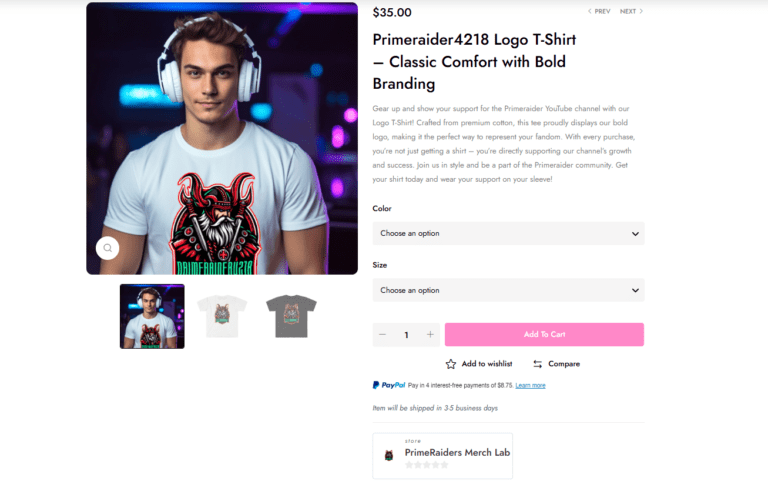
An online store is essential for reaching a global audience and involves many key steps to ensure a smooth launch. Platforms like Shopify, WordPress, Bigcommerce, etc. offer user-friendly tools to create a professional online store. Customizing your brand’s professional store helps reflect your brand’s identity and provide a seamless shopping experience. Considering factors like ease of use, customization options, and built-in features that can aid in managing your online clothing store are important.
An online marketplace, another option for your clothing brand, is a website where multiple sellers can list and sell their products. In a marketplace you may list your products for free with the help of the marketplace’s popularity and marketing, but your products are displayed alongside those from other sellers so there’s plenty of competition. You also tend to have less control over branding and customer experience, as the marketplace’s rules and design apply to all sellers. Selling on a marketplace also tends to have some downside as there are plenty of delayed expenses that eat into the profits, for example selling fees so you have to think about that when it comes to pricing. Examples of online marketplaces that are great for new clothing brands are Ebay, Walmart, Amazon and Etsy.
Each platform that you decide to choose for your online clothing business all come with their own pros and cons. You could even use our marketplace platform designed for our print-on-demand clients if you’re interested in it. Whichever platform you decide to promote your clothing brand through has guides and videos to help you start.
Essential Pages for Your Online Store
Should you decide to create and promote your clothing brand with a professional online store, it should include key pages such as Home, About, Shop, Contact, and FAQ. The About page should go in depth and tell potential future customers about your brand’s story and mission. The Shop page should showcase your new clothing brand’s products. The FAQ page is where you include frequently asked questions you think potential buyers would want the answers to or that will help increase your potential sales. Make sure your online store has easy navigation and a clean layout to enhance the user experience.
Importance of High-Quality Photography
High-quality product photography is crucial for online sales. Invest in professional photos that showcase your clothing from multiple angles. In the beginning, the use of professional mockups will work as a good starting point. In the future however, you should move away from mockups as they look generic and want to make your brand stand out from the rest. Include close-ups of fabric details and styling suggestions. Great visuals help customers make informed purchasing decisions and reduce return rates.
Step 10: Market Your Clothing Brand

Organic Marketing Strategies
Organic marketing involves strategies that naturally attract customers without paid advertising. Utilize social media to build a community around your brand. Share behind-the-scenes content, engage with followers, and collaborate with influencers. Content marketing, such as blog posts and videos, can drive traffic to your site.
Paid Advertising Options
Paid advertising can boost visibility and drive traffic to your online store. Consider using Google Ads, Facebook Ads, and Instagram promotions. Set clear goals and track performance to ensure a positive return on investment.
Building a Loyal Customer Base
Customer loyalty is key to long-term success. Offer excellent customer service, engage with your audience, and create a loyalty program to reward repeat customers. Encourage reviews and testimonials to build trust and attract new customers.
The Best Option for Brand Owners Looking for Low Upfront Investment
For those looking to start their clothing brand with minimal upfront investment, consider Hollywood Prints’ print-on-demand services. Our seamless process allows you to create and sell custom-designed products without worrying about inventory or shipping. Visit Hollywood Prints to learn more and start your brand today!
Conclusion
Starting a clothing brand involves creativity, planning, and perseverance. By following these 10 steps, you can turn your vision into a successful business. Remember to stay true to your brand identity, keep up with industry trends, and continuously engage with your customers. For high-quality, hassle-free print-on-demand services, visit Hollywood Prints and bring your brand to life today.
FAQs
The start of any successful business is having a great idea. As you embark on your journey to start your own clothing line, hone in on your niche idea and audience, and spend time in the brand-building phase. These exercises will help you move to the next steps in the process of building your clothing brand.
You may need a few different licenses to legitimately start a clothing line. Requirements vary based on your location, but common licenses include a permit to sell and collect tax and an apparel registration certification. You might also consider filing to become an LLC or S corp, getting business insurance, and adding any licenses for brick-and-mortar if you plan to sell your clothing line in person.
Starting a fashion brand may require some upfront investment depending on the type of clothing business you start. Specific costs vary, but expenses to start a clothing line include fabric and other materials, labor, shipping, heating, rent, equipment, and various other production costs. You also need to factor ongoing costs for things like payment processing, your online store, and online marketing and advertising. Expect to spend a few thousand dollars upfront if you are creating a clothing line from scratch and making or manufacturing your own clothing designs. A print-on-demand clothing brand, however, will have much lower startup costs.
Coming up with a brand name for your clothing line can be challenging but there are a few things to keep in mind. Try to make it something that is representative of your brand identity and will resonate with your target market. Sarah Donofrio used her own name when she launched her clothing brand. If your brand story is close to your personal story, this may be a good option for your clothing line. Shopify has a free business name generator you can use to get the ideas flowing.
You can put your own label on wholesale clothing as long as it doesn’t conflict with the wholesaler’s policies. This practice is called private labeling or white labeling. Essentially, you purchase wholesale clothing from a supplier, add your branded tags, and then resell directly to your customers through your clothing business’s online store under your own brand name.